
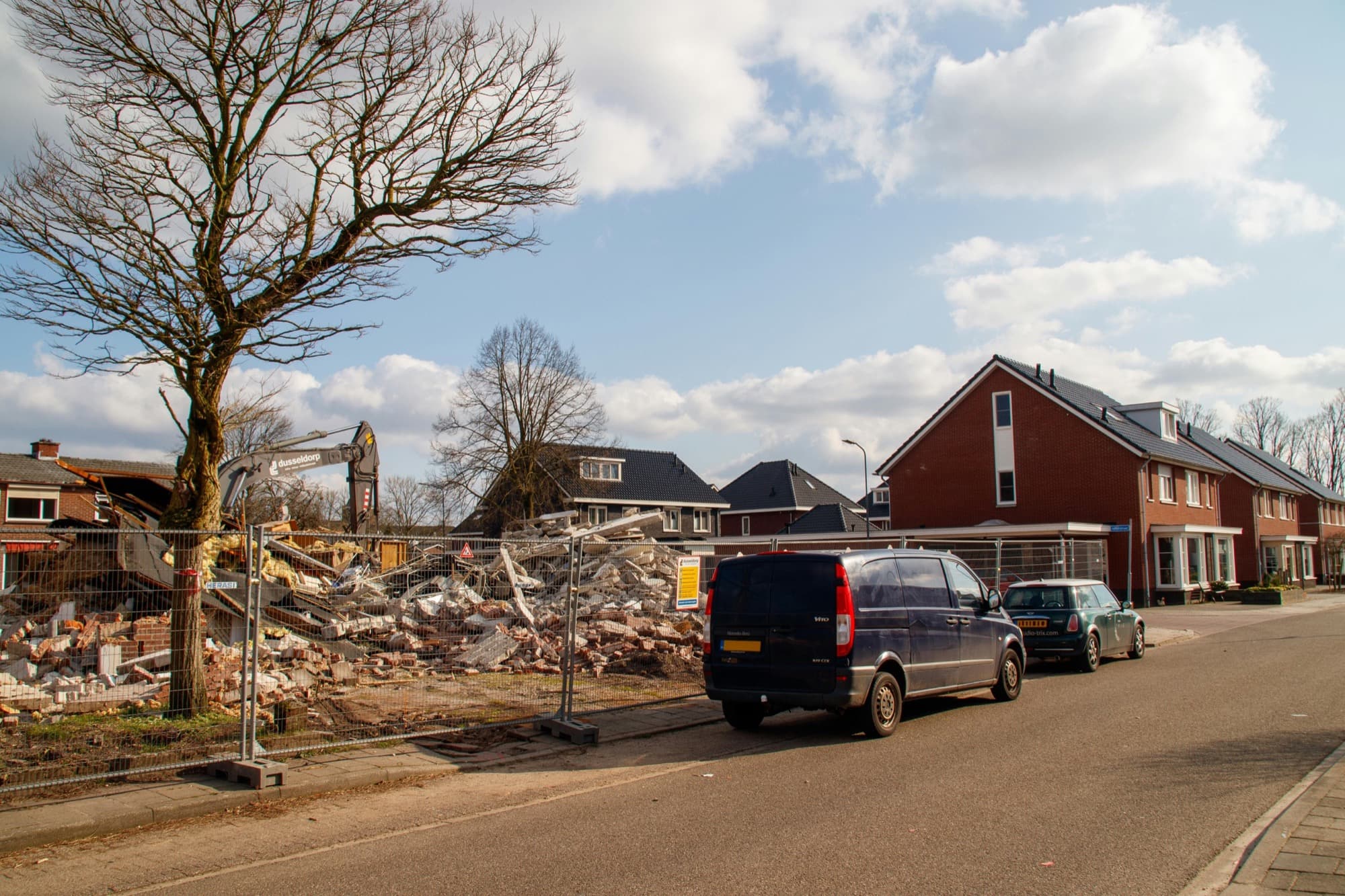
Every few months a client walks into a conversation with us carrying a spreadsheet. They've done the math. Renovation looks cheaper than a teardown. They're ready to save the bones of their 1973 Westlake home and put lipstick on everything else. I respect the homework. The spreadsheet is almost always wrong.
The Case for Keeping the Bones
There is a legitimate argument for renovation. If the foundation is solid, if the framing is clean, if the floor plan is workable — you can sometimes save real money by not starting from dirt. Original Westlake homes built in the late 60s and early 70s often have decent structural bones. The slab poured then was poured thick. The framing wasn't engineered for efficiency, it was engineered for permanence. That's worth something.
We've done full gut renovations in West Lake Hills and Travis Heights where keeping the original foundation saved a client six figures. It happens. I'm not pretending it doesn't.
What the Spreadsheet Doesn't Show
Here's the problem with the renovation math. It only accounts for what you can see. Open the walls on a 1972 Westlake home and you find a different project than the one you budgeted. Cast iron plumbing in the slab. Copper water lines that have been sweating for fifty years. Electrical that was permitted under code that hasn't existed since the Carter administration. These aren't hypotheticals. We find them constantly.
Cast iron in the slab is the expensive one. To replace it with PVC — which you have to do — we tunnel under the house. That tunneling work alone can run well into five figures depending on the footprint. It wasn't on your renovation estimate because nobody could see it. Nobody can ever see it until the walls are open and the project is already in motion.
“The teardown isn't the scary option. The renovation with a surprised look on your face at month four — that's the scary option.”
— Beckett Stone
Where the Teardown Wins
A teardown gives you a clean plan. Permitted. Priced. Scheduled. There is no 'what we found behind the wall' conversation at month three. The budget we hand you at the start looks like the budget at the finish. Not identical — no build is — but close. That predictability has real value, especially in Westlake where a new build on a good lot is going to comp at a number that makes the construction cost math work.
Westlake lots are carrying serious value right now. The neighborhood supports the spend. If you're sitting on a lot in the Eanes ISD zone and the home on it was built before 1980, the teardown case writes itself. You're not demolishing value. You're unlocking it.
The Questions to Ask Before You Decide
- What is the lot worth on its own? If it's strong, new construction math gets easier fast.
- What year was the home built? Pre-1980 means cast iron plumbing is likely. Budget for it either way.
- Is the floor plan salvageable, or are you moving walls anyway? Moving walls means you're already most of the way to a gut job.
- What do neighborhood comps support at the finish line? The exit number has to pencil against the total spend.
- Do you have timeline flexibility? Renovations run long when surprises hit. New builds run on a predictable drum.
The Honest Answer
There is no universal answer here. I've talked clients into renovations and I've talked them into teardowns. It depends on the specific property, the specific lot, and what the client actually needs at the end of it. What I won't do is let someone walk into a renovation on a 1973 Westlake home without telling them exactly what might be hiding in that slab. You deserve to make the decision with the full picture.
Bring us the address. We'll walk the property. We'll tell you what we think is worth saving and what isn't. That conversation is free. The surprises you find without having it are not.
Not Sure Which Direction Makes Sense for Your Westlake Home?
We walk properties before we give opinions. Tell us what you're working with and we'll give you a straight answer on whether renovation or new construction is the right move.
Start a Project