

A change order is a documented decision. That's it. It is not a penalty, it is not a trick, and it is not evidence that something went wrong. The document is fine. What goes wrong is the process around it — builders who use it as a profit center, and clients who never had the process explained to them in the first place.
So here's the process.
Two Things Trigger a Change Order
The first is the client. You want to add something. Change something. Upgrade something. You say it out loud and now it's a change.
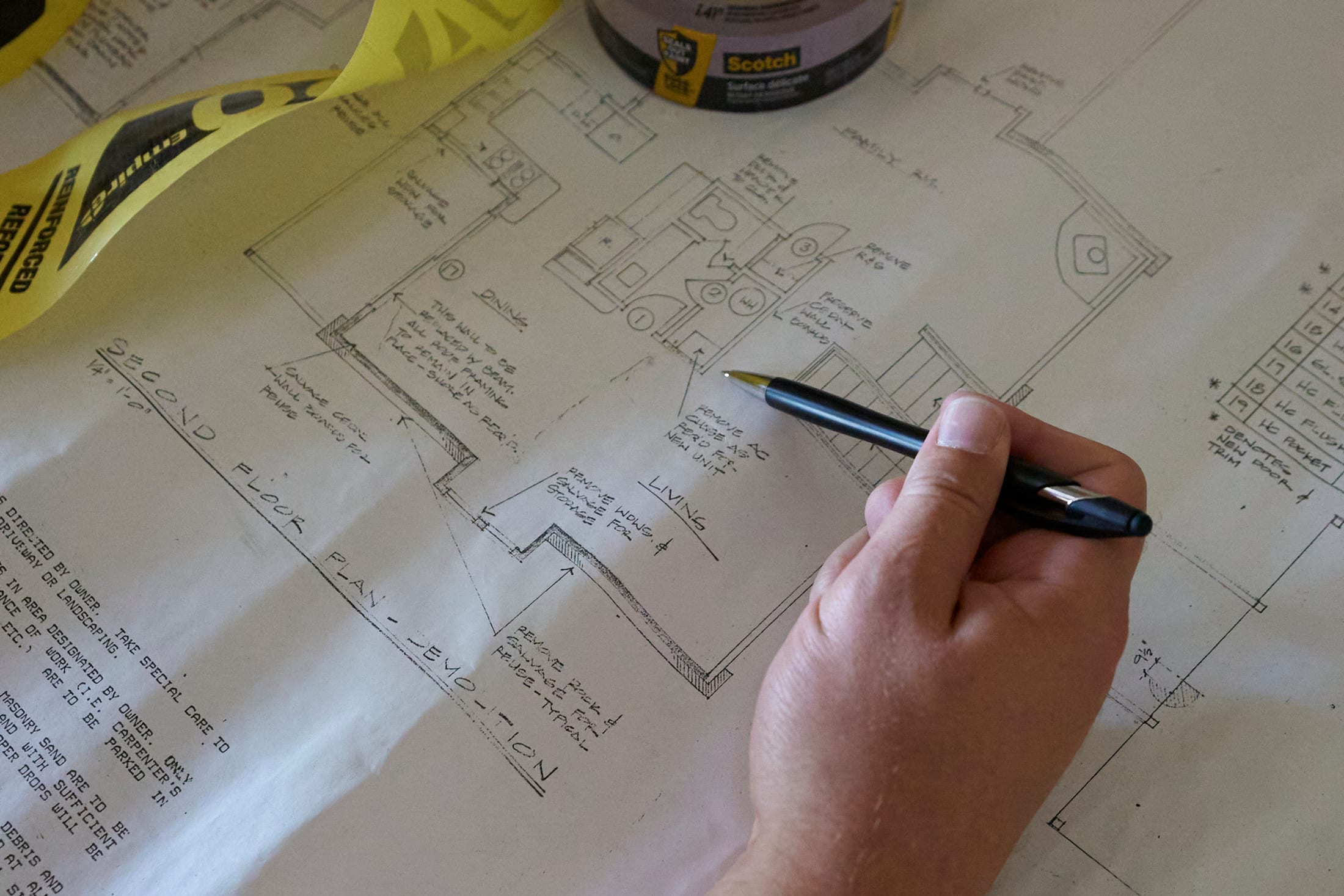
The second is the building. A subcontractor opens something up, finds a condition, and tells us what it's going to take to address it. You didn't ask for that one. The job did.
Both are legitimate. Both get handled the same way. But you should always know which kind you're signing, because one is a want and the other is a must.
The Only Acceptable Sequence
The change gets identified. It gets priced immediately — not next week, not when someone gets around to it. The price goes in front of the client. The client puts it in writing: I'm okay with this change, knowing it costs this and takes this much time on the schedule.
Then, and only then, does work start. Cost and schedule, both approved, both in writing, before a tool moves.
“You can't get caught off guard by a change you signed off on first. That's the entire point of the document.”
— Beckett Stone
If you're hearing about a change order after the work is already in place, that wasn't a change order. That was an invoice with extra steps.
The Monthly Financial Review
Individual change orders aren't the whole system. About once a month, there's a financial review with the client. Every change that was discussed or made gets laid on the table, and then the contingency question gets answered.
- If there's money in the contingency to cover the changes, you do a net zero budget adjustment. The number moves inside the project. The overall budget doesn't change.
- If there isn't money in the contingency to cover them, you do a budget adjustment. The number goes up, in writing, in front of the client.
That's the honest fork in the road. There is no third option where the money quietly comes from somewhere and nobody mentions it.
The Word That Matters Is Formal
Changes get formally presented. Budget adjustments get formally made. Nothing lives as a hallway conversation or a text thread that someone will reconstruct later from memory.
This is the part builders skip, because informality is comfortable. It feels friendly. It feels like trust. It isn't. It's just deferred conflict, and it shows up at the end of the job when everyone is tired and the money is already spent.
The Honest Take on Change Order Abuse
Some builders make their real margin on changes rather than on the contract. The tell isn't the number of change orders — a complex custom home will generate plenty. The tell is ambiguity. Slow to price. Vague about schedule impact. Never quite produces a written summary of where the budget actually stands.
A builder who prices a change immediately, shows you the schedule hit, and waits for your signature before touching anything isn't making money on your confusion. That's the standard. Hold anyone you hire to it.
Know the Process Before You Sign
We walk clients through budgets, contingencies, and how change orders get approved before a contract is ever signed. No ambushes.
Start a Project